In February 1998, I began my career in healthcare. I was 26 years old and had no healthcare experience. My only work experience was at McDonald’s, where I had worked since I was 16.
The restaurant was fast-paced and located at a rest stop on the New York State Thruway, so it was constantly busy! I started out on the counter and quickly became known as the fastest counter person, working two registers side by side (this is no surprise for those that know me- fast paced). I even had a bunny pin on my uniform to prove it! From there, I worked my way up to trainer and eventually became a manager.
At the time, I never imagined that the skills I developed at McDonald’s—working hard, helping people, solving problems, training others, and leading a team—would become the foundation for a career in healthcare that would span the next 28 + years.
I attended a job fair at a small local TPA simply because a friend needed a ride. I wasn’t sure what to expect, but I decided to walk in and see what it was about. I walked out with a job offer and a starting salary of $18,000 and health insurance coverage at 100% with a $10.00 copay.
I was on top of the world!
At the time, I had no idea that what began as simply a job would grow into a lifelong passion and a career that would shape so much of who I am.
Watching Healthcare Transform
Over the past 28 years, I’ve had the privilege of building a career in an industry that has undergone significant transformation.
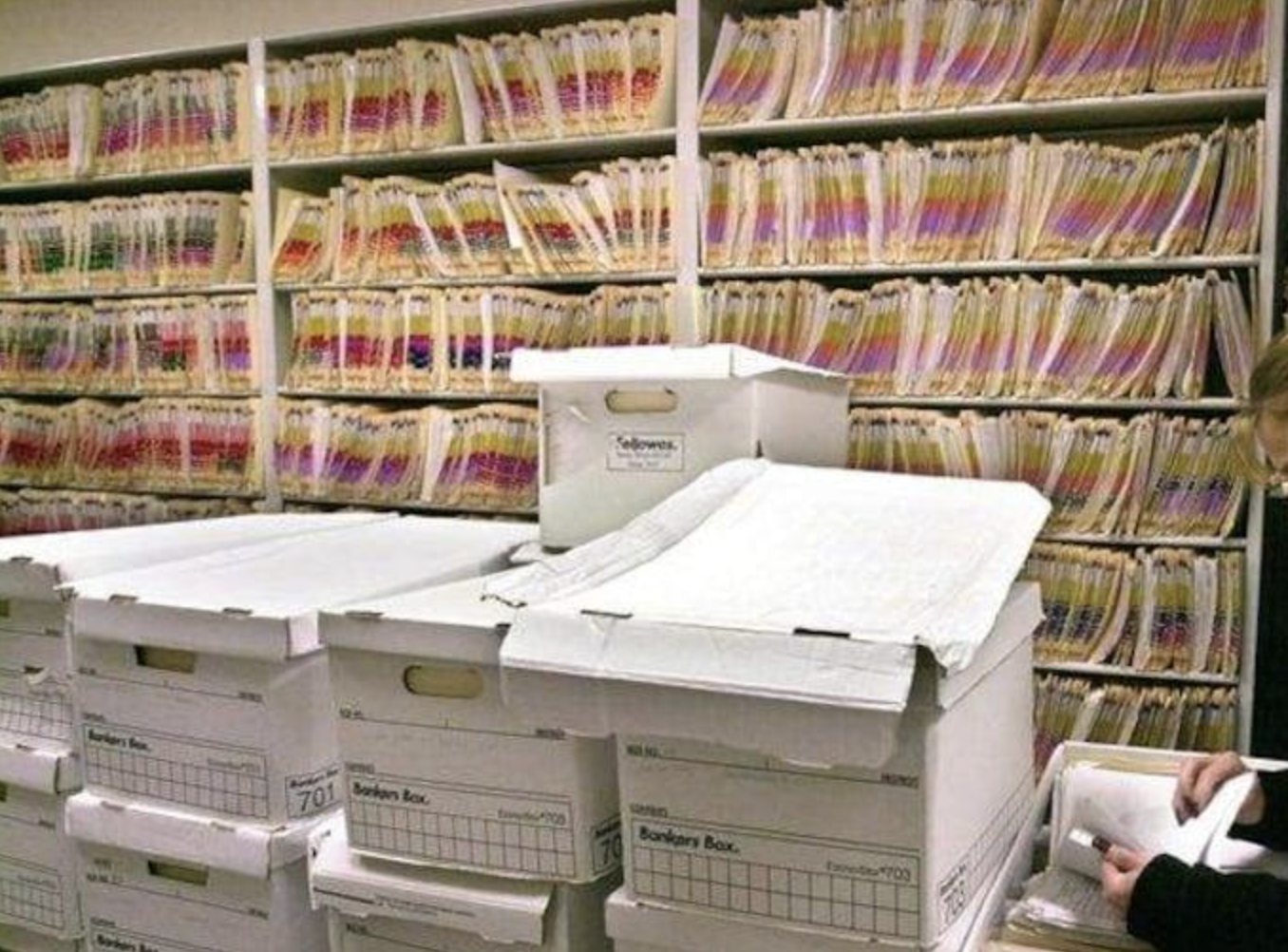
When I began my journey in 1998, healthcare was largely driven by paper processes, manual claims, fax machines, and filing systems. Claims arrived from the mailroom in manila folders, were stored in large filing cabinets, and sorted by date received and the type of service – often to be reviewed and processed by hand. Technology was present, but it was far from the integrated, real-time environment we know today.
Since then, I’ve watched healthcare evolve from paper to electronic claims, from manual processes to automation, and from limited access to information to real-time data, advanced analytics, and sophisticated digital health platforms.
Throughout my career, I’ve navigated regulatory changes, the elimination of pre-existing condition exclusions and self-inflicted harm clauses, the introduction of High-Deductible Health Plans (HDHPs) designed to encourage greater awareness and accountability around healthcare costs, economic downturns, a global pandemic, and countless other industry transformations.
Each change brought new challenges and opportunities to learn. More importantly, each experience reinforced the importance of resilience, adaptability, and continuous learning in an industry that never stops changing.
Healthcare is About People
Yet despite everything that has changed, one thing has remained constant:
Healthcare is ultimately about people.
That belief has extended beyond my professional career in healthcare. My experience in Emergency Medical Services (EMS) as a New York State Advanced EMT (AEMT) has given me an entirely different perspective on what it means to help others and to make a difference. In EMS, there is no abstract claim, policy, or process. There is a person in front of you who needs help, often at one of the most difficult or vulnerable moments of their life.
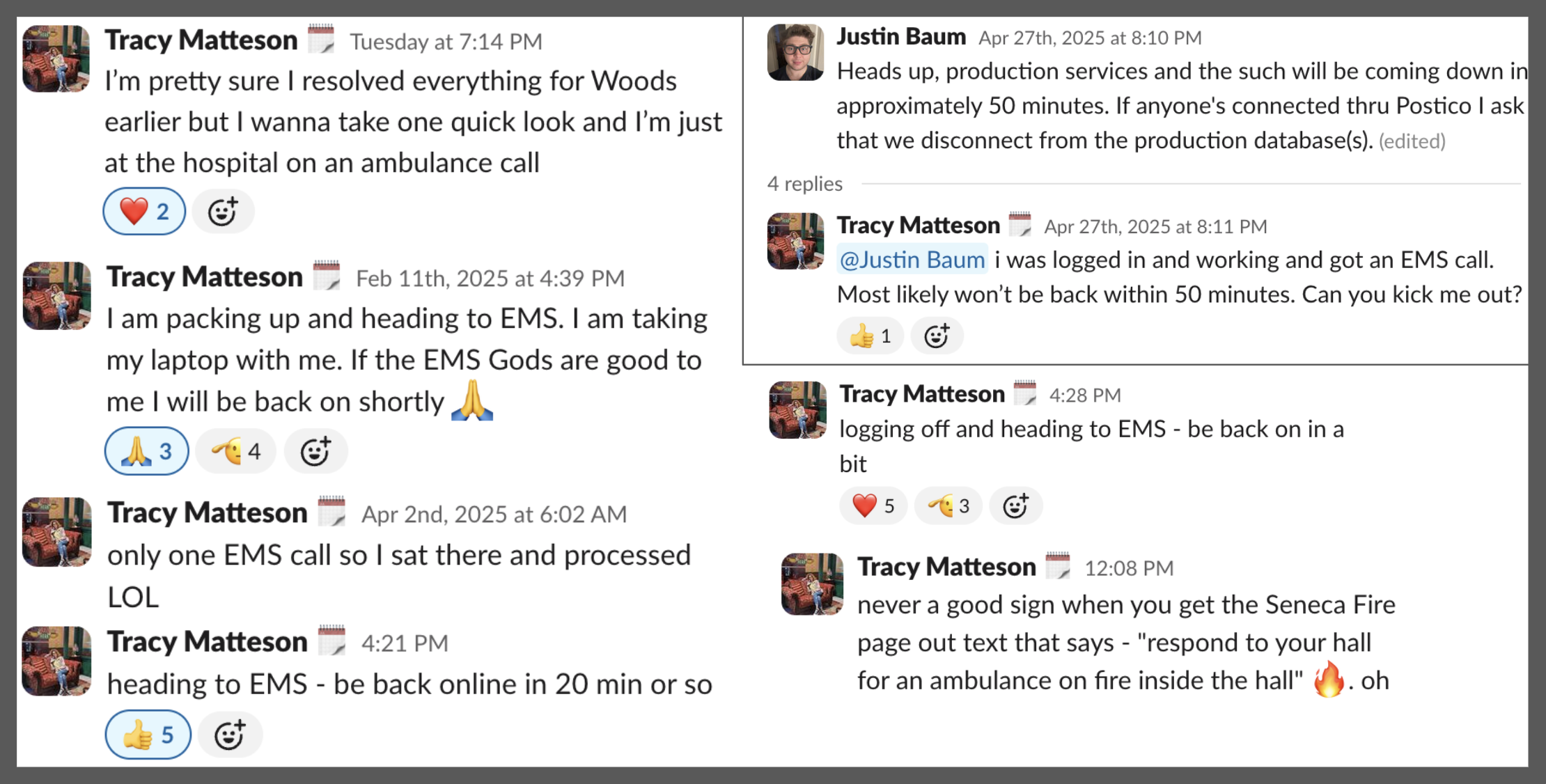
That experience has reinforced something I’ve carried throughout my career: at its core, helping others is about showing up, listening, solving problems, and doing whatever you can to make someone’s situation a little better. Whether responding to an emergency in the field or working behind the scenes to improve healthcare processes and outcomes, the purpose is remarkably similar—to help people when they need it most.
Every claim represents someone who needed care. Every employer is trying to provide meaningful benefits to their employees while managing rising costs. Every provider deserves fair and timely reimbursement. Behind every policy, every appeal, and every phone call is a person looking for answers.
Over the years, I’ve learned that healthcare isn’t simply about processing claims. It’s about solving problems.
I’ve seen how poor communication creates frustration, how outdated processes waste time and money, and how disconnected systems make an already complex industry even more difficult to navigate.
I’ve also seen what happens when organizations put people first.
When employers understand their benefits.
When members receive clear answers.
When providers are treated as partners.
When technology supports people instead of replacing them.
That’s where meaningful change happens.
Making Healthcare Simpler
One of the biggest lessons I’ve learned is that innovation isn’t about making healthcare more complicated—it’s about making it simpler.
Technology has incredible potential, but only if it removes friction instead of creating it. The best systems don’t just process claims faster; they provide transparency, improve decision-making, and give people confidence that they’re receiving the right care at the right cost.
Throughout my career, I’ve worked for organizations of different sizes and with different philosophies. I’ve had the opportunity to work for both exceptional leaders and difficult ones, and each experience has taught me something valuable about the kind of leader and workplace I want to be part of. I’ve seen firsthand how a great leader can inspire people, bring out their best, and create an environment where people feel valued and empowered. I’ve also experienced the opposite—and learned just as much from those experiences about what leadership should not be.
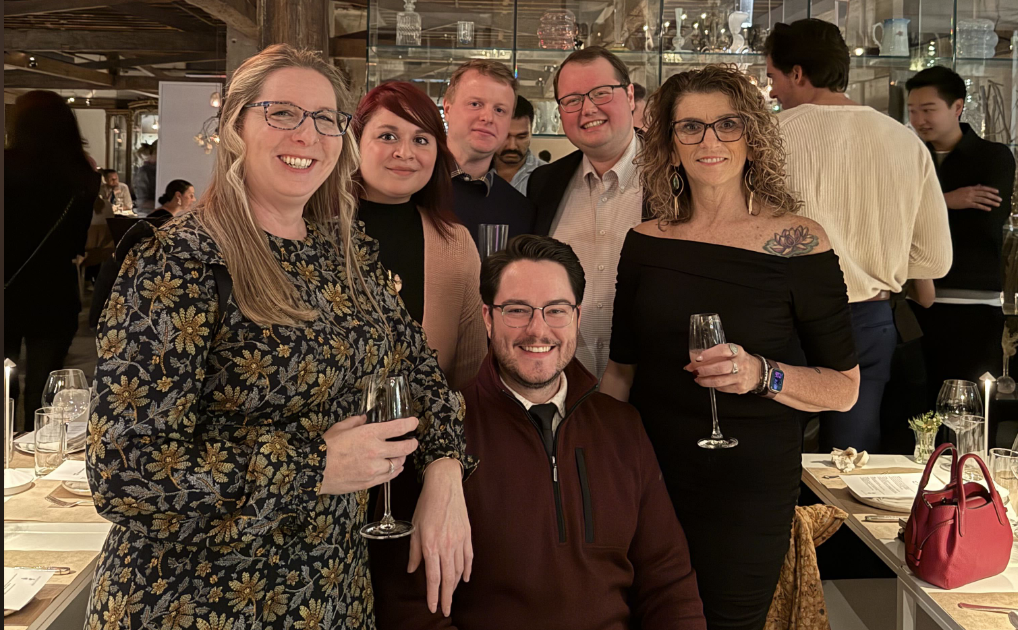
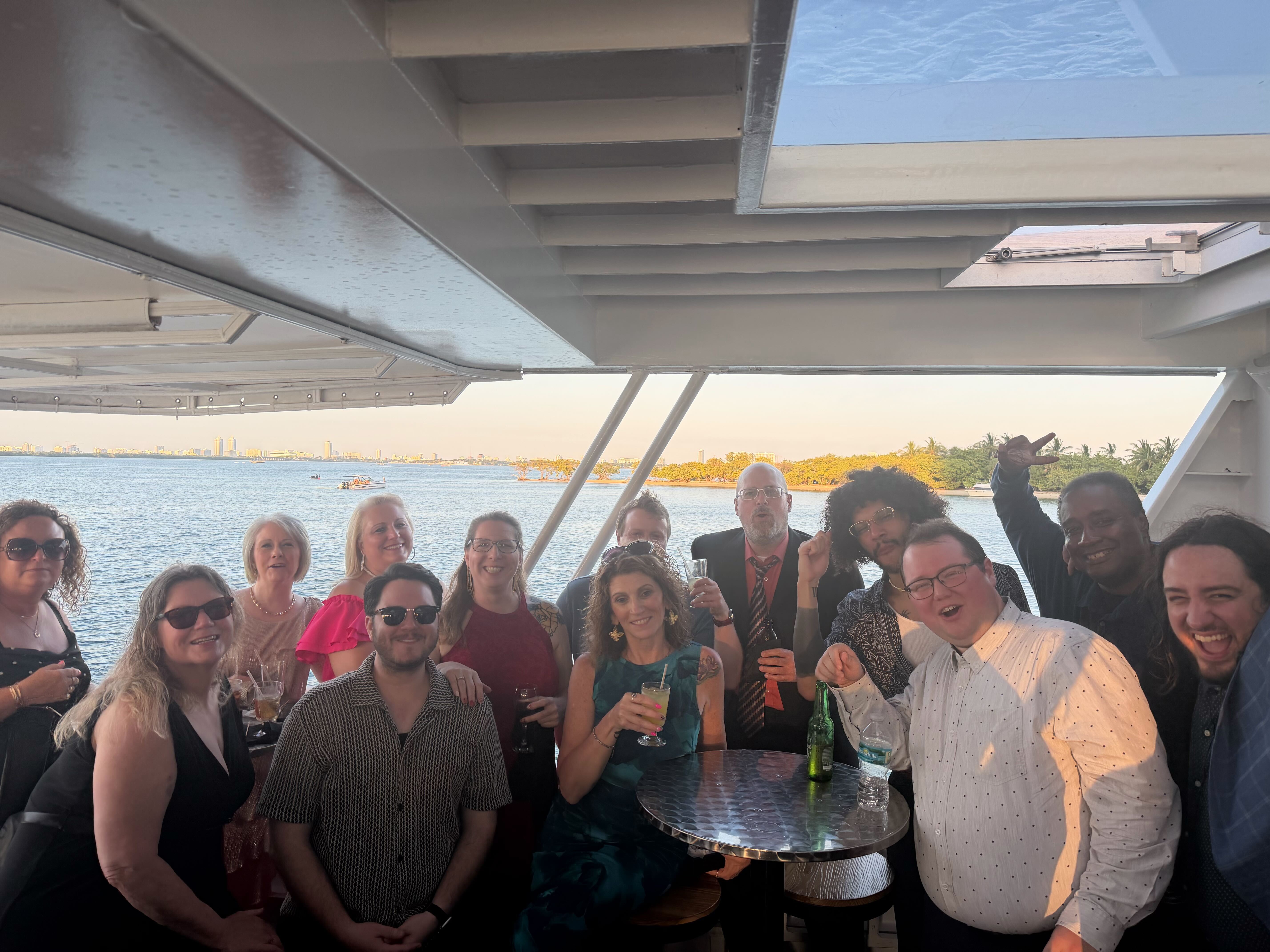
Some of my most meaningful relationships and even some of my best friendships have come from the people I’ve met through work. Those relationships have reminded me that while the work itself matters, the people you work alongside and the culture you create together can be just as important. The right environment can turn colleagues into trusted teammates, mentors, and lifelong friends.
Each experience has reinforced one belief: culture matters.
The best teams are built on trust, accountability, collaboration, and a shared commitment to serving others. Those are the environments where people feel comfortable bringing new ideas forward, where innovation flourishes, and where employees genuinely enjoy coming to work. Great culture doesn’t happen by accident—it starts with leadership and is strengthened by every person who chooses to contribute to it.
Looking Back - and Looking Ahead
Looking back, I realize that I didn’t simply build a career over these 28 years; I grew alongside an industry that was constantly reinventing itself.
I’ve learned to embrace change, navigate uncertainty, ask questions, solve problems, and remain curious about what comes next. The healthcare industry I entered in 1998 is almost unrecognizable compared with the industry I work in today. Being able to witness—and contribute to—that transformation has been one of the most rewarding parts of my career.
I’m grateful for every challenge, every difficult claim, every system implementation, every mentor, every teammate, and every opportunity to learn. Each experience has shaped not only the professional I am today but also the leader I’ve become.
Healthcare still has significant challenges ahead. Costs continue to rise. Regulations continue to evolve. Technology will continue to reshape how we deliver and administer care.
But I’m optimistic.
I’ve seen what talented, passionate people can accomplish when they’re willing to challenge old ways of thinking and build something better.
After nearly three decades, I still believe healthcare can improve.
I still believe we can simplify complexity.
I still believe we can create a better experience for members, providers, employers, and the teams who support them every day.
That’s why I’m still here.
And that’s why I plan to keep sharing what I’ve learned along the way.
Because experience only becomes truly valuable when it’s shared.