

How to Search Your Benefits
Navigating the benefits grid
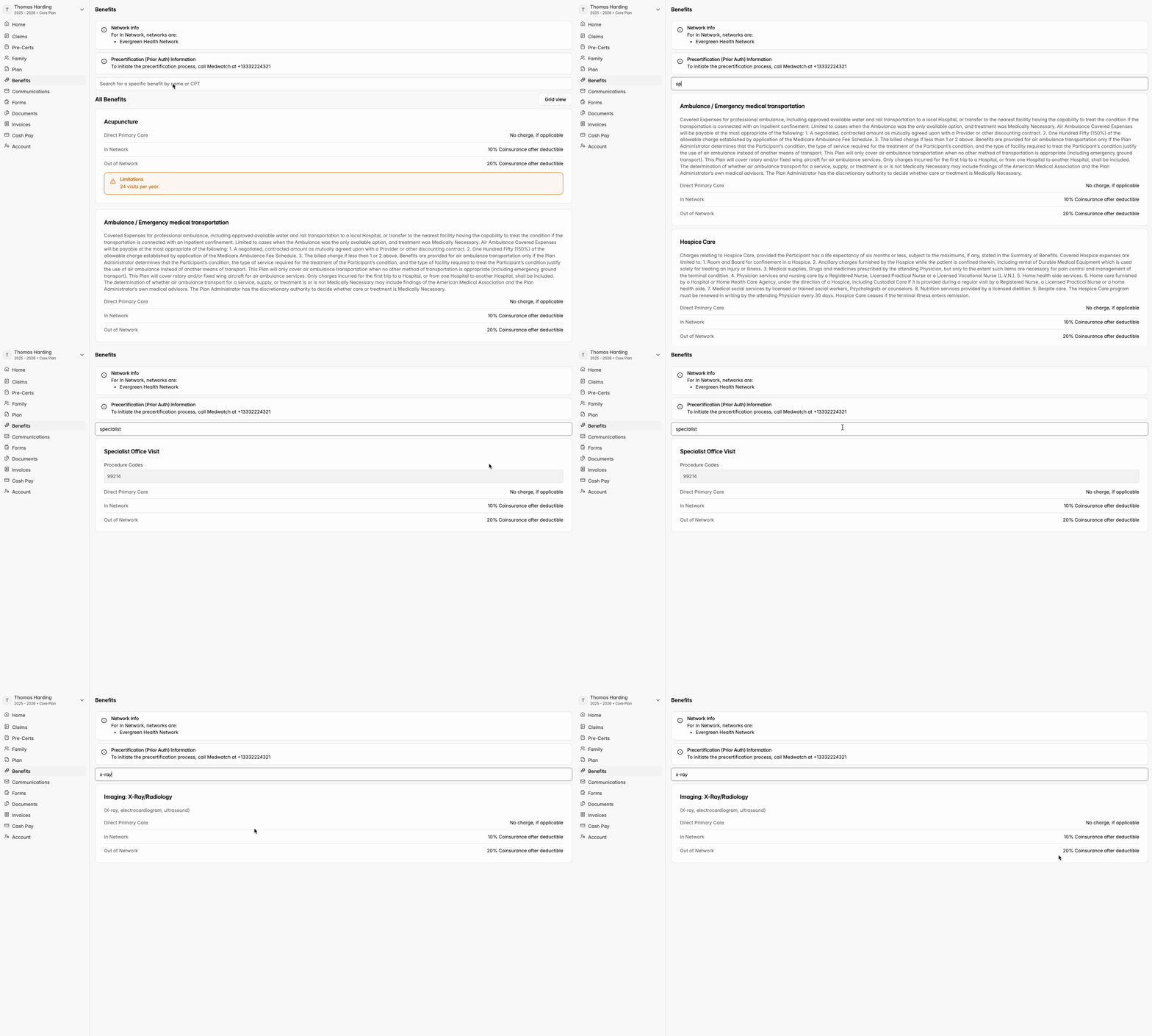
At the top of the Benefits tab, you are able to search a specific benefit by name, CPT code (aka how healthcare is coded), or place of service, and see your coverage according to plan rules. Each benefit is then broken down by how it is covered:
In Network: Because you’re enrolled in a self-funded plan, your coverage uses a provider network. This network is a group of doctors, hospitals, and facilities that have agreed to discounted rates, giving you access to care at a lower cost.
Out of Network: This is usually the most expensive option. These providers do not have contracted rates with your plan, which means costs are higher and your plan may cover a smaller portion of the expense.
Direct Primary Care (DPC): Some plans include access to a local Direct Primary Care provider for everyday medical needs. When DPC is available and used, services are typically offered at no charge to the member.
Pharmacy
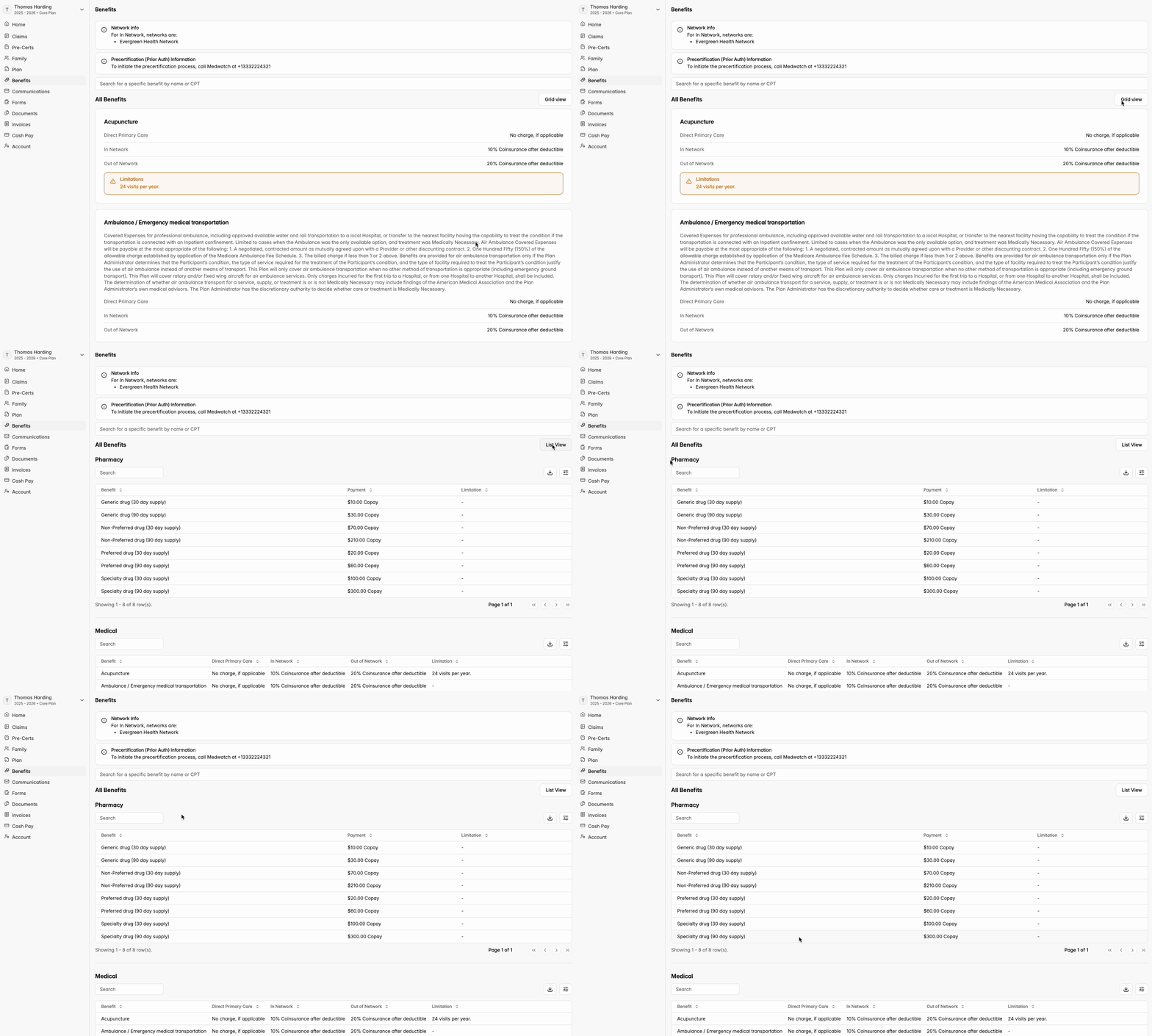
While your Pharmacy Benefit Manager (PBM - phone number included on the card) is the best source for information, your expected Copay / deductible by drug tier is featured at the top of the Benefits grid.
Medical
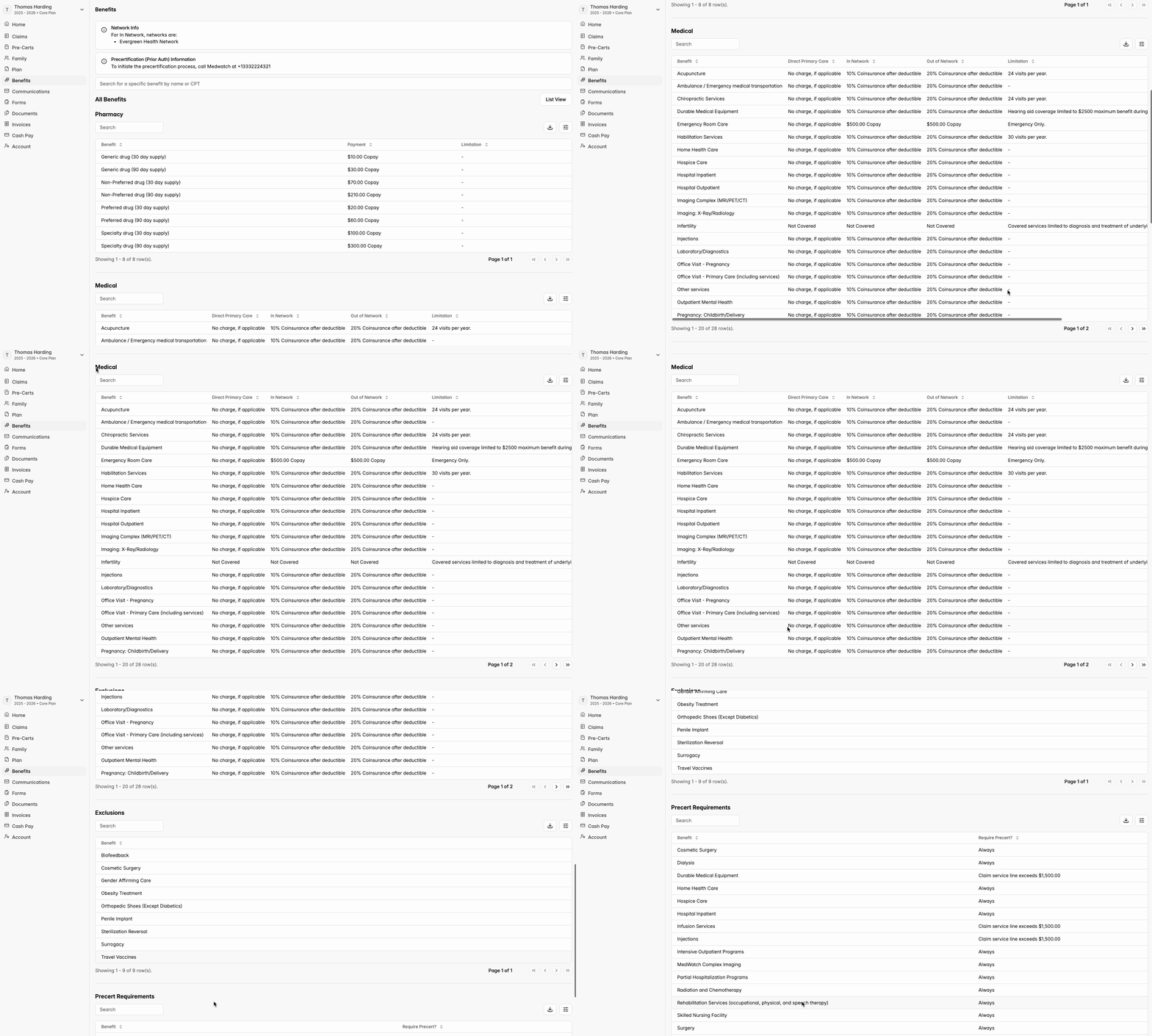
This section is broken down by medical benefit, tiers (aka how it is covered, e.g., Coordinated), and limitations (aka how this benefit is governed).
Insurance Basics
Deductible
Definition: The amount you must pay out-of-pocket for covered services before your health insurance starts to pay.
Example: If your deductible is $1,000, you’ll need to pay the first $1,000 of your medical expenses each year before your insurer beings to pay its share of covered services.
Understanding embedded vs. aggregate deductible
Out-of-Pocket Maximum
Definition: The most you will have to pay in a policy period for covered services. The out-of-pocket maximum includes deductibles, copayments, and coinsurance, but not premiums.
Example: If your out-of-pocket maximum is $2,000, once your out-of-pocket expenses reach $2,000, your insurance will begin to cover 100% of your remaining covered healthcare costs for the rest of the policy period.
Copay
Definition: A fixed amount you pay for a covered healthcare service, usually at the time of service.
Example: You may pay a $20 copay for a doctor’s visit. This $20 will not count toward your deductible, but it may count toward your out-of-pocket maximum.
Coinsurance
Definition: The percentage of the cost of a covered service that you are required to pay after reaching your deductible.
Example: If you have a $200 medical bill for a service and the coinsurance is 20%, you would pay $40 and your insurer would cover the remaining $160.
Limitation
Definition: A restriction on your coverage, such as a set number of visits allowed for a specific service.
Example: If your chiropractic visit limitation is set to 20 visits per plan period, your 21st visit will not be covered by your insurance.
Excluded Services
Definition: Certain healthcare services that are not covered by your health insurance plan.
Example: If you are seeking a $400 medical service that is not covered by your plan, you will need to pay the full $400 out-of-pocket. This $400 will not apply to your deductible or to your out-of-pocket maximum.